
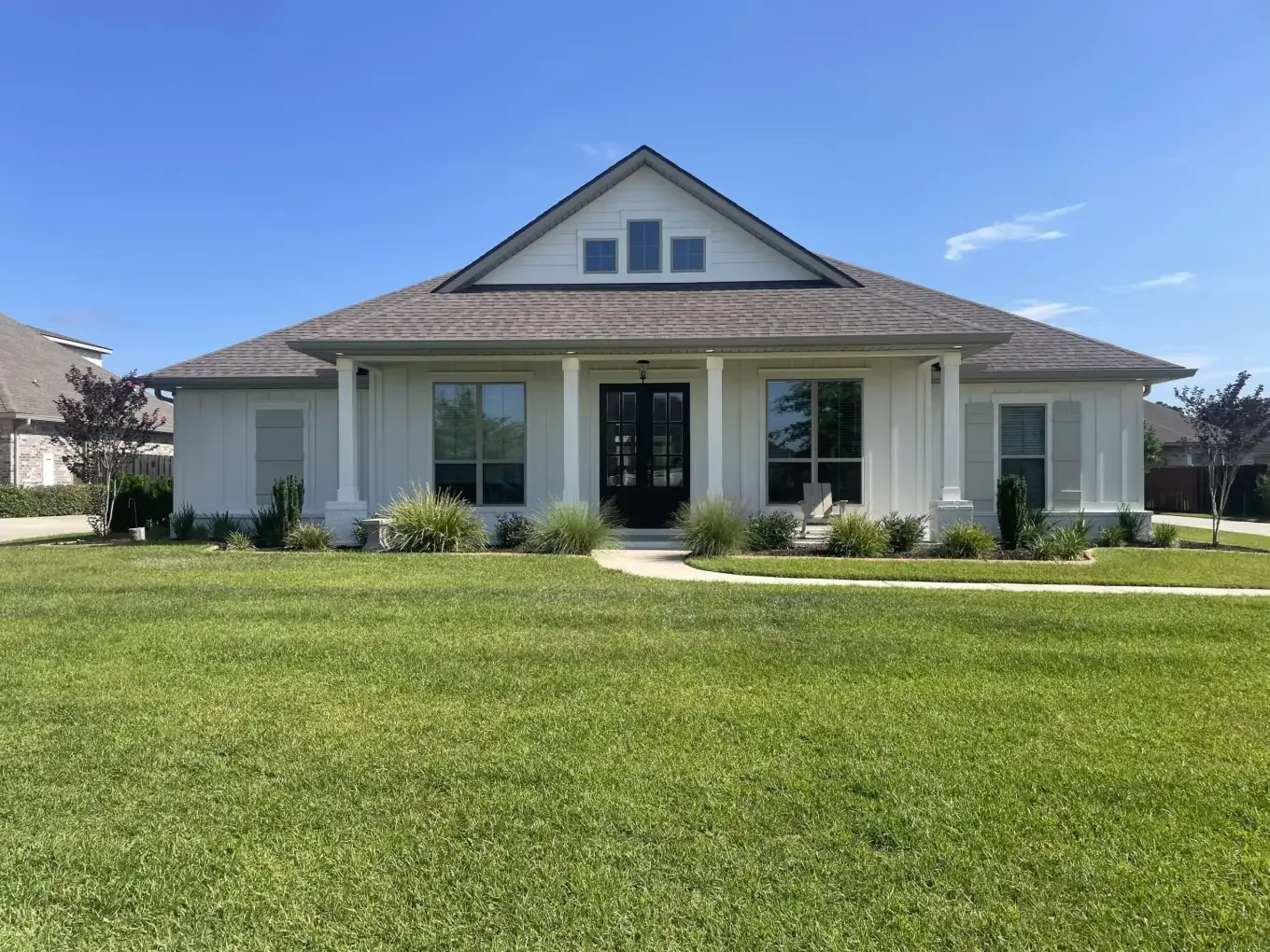
When people think about preparing for hurricane season, they usually picture plywood over windows, emergency supplies in the garage, or checking the batteries in their flashlights.
Those are all important.
But there’s one thing many homeowners overlook until it’s too late: the condition of their home’s exterior.
Every year across Mobile and Baldwin County, homes suffer damage that could have been minimized with routine exterior maintenance. Peeling paint, cracked caulking, exposed wood, rusted gutters, and deteriorating sealants may seem like cosmetic issues, but once heavy rain and strong winds arrive, those small problems can quickly become expensive repairs.
The Gulf Coast presents a unique challenge for homeowners. Between the relentless summer heat, high humidity, salt carried inland from the Gulf, and frequent afternoon storms, your home’s exterior works overtime to protect everything inside. That’s why waiting until after hurricane season to address maintenance often costs far more than taking care of it beforehand.
Whether you own a home in Mobile, Daphne, Fairhope, Spanish Fort, Foley, Gulf Shores, or anywhere in Baldwin County, now is the perfect time to inspect your property and make sure it’s ready for whatever this hurricane season brings.
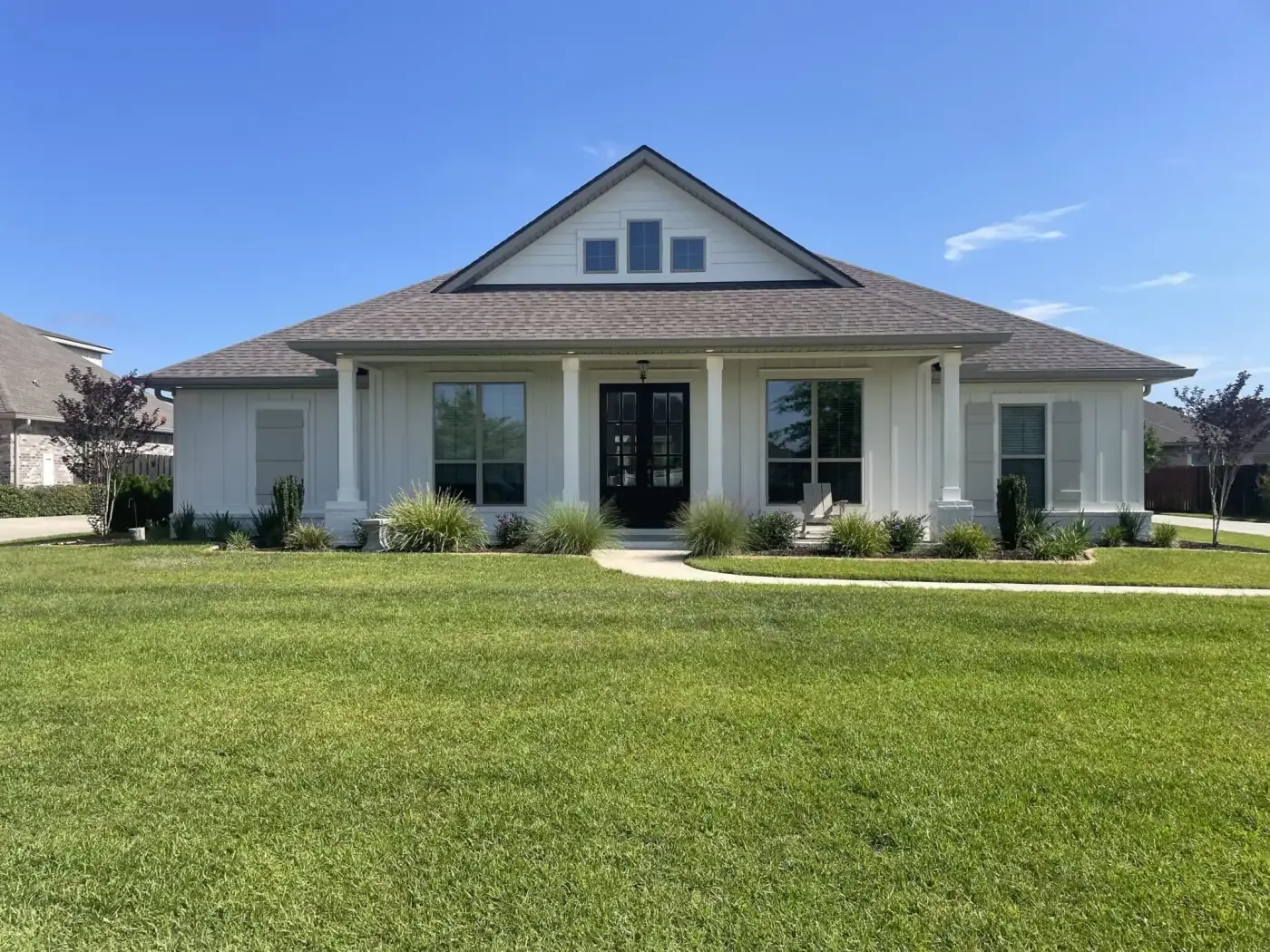
Why Hurricane Season Hits Gulf Coast Homes Differently
Living near Alabama’s Gulf Coast has plenty of advantages, but it also means your home faces weather conditions that many parts of the country simply don’t experience.
While a hurricane might only last a day or two, your home’s exterior has been preparing for that storm all year long.
Before the first tropical system even appears in the forecast, your paint, siding, trim, gutters, and wood surfaces have already been exposed to months of:
- Intense UV rays
- High humidity
- Heavy rainfall
- Salt-laden coastal air
- Constant expansion and contraction from changing temperatures
Each of these slowly weakens the protective barriers around your home.
When a hurricane or tropical storm arrives, wind-driven rain looks for the weakest point. That could be peeling paint around a window, cracked caulking along trim boards, exposed wood on a fascia, or rust beginning to form on a gutter.
What looked like a minor maintenance issue in June can suddenly become a water intrusion problem in August.
Did You Know?
Water doesn’t need a large opening to cause damage. Even small gaps around windows, doors, or trim can allow moisture to penetrate behind exterior surfaces during wind-driven rain.
Start With a Walk Around Your Property
The easiest way to prepare your home before hurricane season doesn’t require expensive equipment or a contractor.
It starts with a simple walk around your property.
Grab a notebook or use your phone to take photos of anything that catches your attention. Even if you’re not planning repairs immediately, documenting potential issues makes it much easier to monitor changes over time.
Here’s what you should be looking for:
Peeling or Bubbling Paint
Paint is more than decoration.
Once it begins peeling, blistering, or bubbling, it’s telling you that moisture has already found a way beneath the surface.
Left untreated, peeling paint can eventually expose wood or siding directly to rain, accelerating deterioration.
Cracked or Missing Caulking
Caulking seals the small joints around:
- Windows
- Doors
- Trim boards
- Siding transitions
- Exterior penetrations
When those seals crack, water has an easy path behind your home’s exterior.
Replacing failed caulking is one of the simplest maintenance tasks homeowners can perform, yet it’s often overlooked until leaks appear inside the home.
Exposed Wood
Take a close look at:
- Fascia boards
- Soffits
- Porch columns
- Decks
- Fences
- Pergolas
- Exterior doors
If you notice bare wood, faded stain, soft spots, or splintering, those surfaces are already losing their protection.
The longer wood remains exposed, the more moisture it absorbs, increasing the risk of swelling, rot, and costly replacement.
Pro Tip
If water no longer beads on stained wood and instead soaks into the surface, it’s usually a sign the protective finish has worn away.
Rust Around Metal Components
Rust has a way of making homeowners think, “I’ll deal with that later.”
Unfortunately, rust rarely waits.
Check areas like:
- Gutters
- Downspouts
- Handrails
- Metal doors
- Exterior light fixtures
- Steel support posts
Small rust spots often spread beneath the surrounding paint long before they become obvious.
Catching corrosion early is usually far less expensive than replacing damaged metal altogether.
Gutters and Downspouts
Your gutters have one job during hurricane season:
Move thousands of gallons of rainwater safely away from your home.
If they’re clogged, pulling away from the fascia, or leaking at the joints, that water ends up exactly where you don’t want it:
- Around your foundation
- Behind fascia boards
- Inside soffits
- Along exterior walls
Cleaning gutters may not be the most exciting weekend project, but it’s one of the most valuable things you can do before peak storm season.
Quick Hurricane Season Exterior Checklist
Before the next storm system rolls into Mobile or Baldwin County, make sure you’ve inspected:
- Exterior paint for peeling or cracking
- Caulking around windows and doors
- Gutters and downspouts
- Wood fences, decks, and pergolas
- Rust on metal surfaces
- Loose trim or fascia boards
- Areas where water tends to collect
Even identifying these issues now gives you a chance to address them before severe weather arrives.
Why Exterior Paint Is One of Your Home’s Best Defenses
Many homeowners think of exterior paint as the finishing touch that makes a house look clean and well-maintained.
In reality, it’s one of your home’s first lines of defense against the elements.
A properly applied exterior coating helps protect siding, trim, and other surfaces from:
- Moisture intrusion
- Harmful UV rays
- Mold and mildew growth
- Premature wood deterioration
- Daily wear from changing weather conditions
Without that protective barrier, rainwater can slowly penetrate vulnerable areas. It may not cause visible damage overnight, but over weeks or months, moisture can begin affecting the materials underneath.
That’s why professional painters don’t just focus on color.
They focus on building a complete protective system.
Paint Doesn’t Fail Overnight
One of the biggest misconceptions homeowners have is believing paint suddenly “goes bad.”
It doesn’t.
Exterior coatings usually fail gradually.
It starts with small warning signs that are easy to miss.
Look for things like:
- Paint fading faster than normal
- Hairline cracks
- Chalking (a powdery residue when you touch the wall)
- Bubbling
- Peeling around trim
- Small exposed areas of bare wood
Those signs are your home’s way of telling you the protective coating is beginning to break down.
The sooner those areas are addressed, the easier they are to repair.
Common Mistake
Many homeowners wait until large sections of paint begin peeling before scheduling maintenance.
By that point, moisture has often already reached the surface underneath, turning what could have been a simple repaint into a more extensive repair.
The Gulf Coast Doesn’t Play Fair
If you’ve lived in Mobile or Baldwin County for any length of time, you already know our weather has a personality of its own.
A bright, sunny morning can turn into a heavy afternoon thunderstorm before dinner.
Humidity lingers for days.
Salt carried inland from the Gulf settles on exterior surfaces.
The sun beats down for hours.
Then tropical weather arrives and pushes everything even harder.
Your home’s exterior doesn’t get much of a break.
That’s exactly why maintenance schedules that work in other parts of the country don’t always work here.
Homes near the Gulf Coast often require more frequent inspections because the environment is constantly working against exterior finishes.
Don’t Forget Your Wood Surfaces
When people think about protecting their home, they usually focus on the siding.
But wood features deserve just as much attention.
Take a walk around your property and look at:
- Wooden fences
- Decks
- Pergolas
- Porch ceilings
- Exterior beams
- Garage doors
- Shutters
These areas absorb sunlight and moisture every single day.
Without proper staining or sealing, the wood slowly begins drying out during hot weather before absorbing moisture during rainstorms.
That cycle repeats over and over again.
Eventually you may notice:
- Splitting
- Warping
- Cracking
- Fading
- Rot
- Loose boards
By then, restoring the wood often becomes much more expensive than simply maintaining it.
Is Your Deck Still Protected?
Here’s a simple test.
Sprinkle a small amount of water onto your deck or fence.
If the water forms small beads and remains on the surface, your protective finish is probably still doing its job.
If the water immediately soaks into the wood…
…it’s probably time to consider cleaning, staining, or resealing before hurricane season arrives.
Small maintenance today can add years to the life of exterior wood.
Rust Never Fixes Itself
Rust is one of those problems that homeowners tend to ignore because it starts small.
A tiny orange spot on a gutter.
A little bubbling around a handrail.
Some discoloration near a metal door.
It doesn’t seem urgent.
Until it spreads.
The truth is, rust is like a slow-moving disease for metal.
Once corrosion begins, it doesn’t stay in one place.
It gradually works beneath the paint, lifting the coating away from the metal and exposing even more surface to moisture.
Along Alabama’s Gulf Coast, humid air and salt only speed up that process.
Pay Special Attention To:
- Gutters
- Downspouts
- Exterior handrails
- Metal fences
- Garage doors
- Decorative ironwork
- Steel columns
- Metal roofing components
If you catch corrosion early, damaged areas can often be cleaned, treated, primed, and recoated before replacement becomes necessary.
Waiting another season may mean replacing entire sections instead.
Pro Tip
Don’t paint directly over rust and hope it disappears.
Proper surface preparation is what determines whether the repair lasts for years or begins failing again after the next rainy season.
Surface Preparation Is Where Great Paint Jobs Begin
Everyone notices the final coat of paint.
Almost nobody notices the work that happened before it.
Ironically, that’s usually the most important part.
A long-lasting exterior paint job starts long before the first gallon of paint is opened.
Professional preparation often includes:
- Washing away dirt and mildew
- Removing loose or peeling paint
- Scraping deteriorated areas
- Sanding rough edges
- Replacing failed caulking
- Repairing damaged wood when necessary
- Priming bare surfaces
- Protecting landscaping and surrounding areas
Skipping these steps might save time today…
…but it almost always shortens the lifespan of the finished project.
Think of it like building a house.
A beautiful roof won’t last very long if it’s sitting on a weak foundation.
Paint works exactly the same way.
Is August Too Late to Prepare Your Home?
This is one of the most common questions homeowners ask.
The short answer?
Not necessarily.
While spring is often ideal for larger exterior projects, August can still be an excellent time to tackle maintenance, repairs, and even repainting when weather conditions are carefully monitored.
Professional contractors don’t simply look at the calendar.
They pay attention to:
- Temperature
- Humidity
- Rain forecasts
- Surface moisture
- Product specifications
- Drying and curing conditions
Planning work around these factors helps ensure coatings perform as intended.
Even if your home doesn’t need a complete repaint, smaller improvements made now can still make a significant difference before peak hurricane activity.
For example:
- Replace cracked caulking.
- Repair peeling paint.
- Seal exposed wood.
- Remove developing rust.
- Clean gutters and downspouts.
- Trim tree branches touching your home.
Each of these tasks reduces the chances of minor issues becoming expensive storm damage later.
A Little Maintenance Today Can Prevent Big Repairs Tomorrow
One of the most expensive mistakes homeowners make isn’t ignoring hurricane season.
It’s ignoring the months leading up to it.
Storms simply expose problems that have been developing for months or even years.
A small crack becomes a leak.
A peeling corner of paint becomes rotted trim.
A rust spot becomes a failing gutter.
A faded deck becomes warped boards.
The good news?
Most of these issues are preventable.
By spending a little time inspecting your home’s exterior each year, keeping protective coatings in good condition, and addressing repairs before severe weather arrives, you’ll not only improve your home’s appearance but also help protect one of your biggest investments.
After all, your home’s exterior isn’t just there to look good from the street.
It’s there to protect everything and everyone inside.
And before the next Gulf Coast storm rolls through Mobile or Baldwin County, that’s exactly what you want it to do.
We help homeowners get ready in Gulf Shores, Orange Beach, Fairhope, Mobile and across Baldwin County.